
Soft Machine were one of the strangest, most intelligent, and unpredictable entities in British music between the 1960s and 1970s. Born within the so-called Canterbury Scene, they managed to fuse psychedelia, jazz, English surrealism, the beat generation, improvisation, avant-garde, and progressive rock in a completely personal language.
This illustrated profile explores their psychedelic experimentation, jazz-rock evolution, and cultural influence within The Great Rock and Roll History, a large-scale illustrated timeline of modern music.
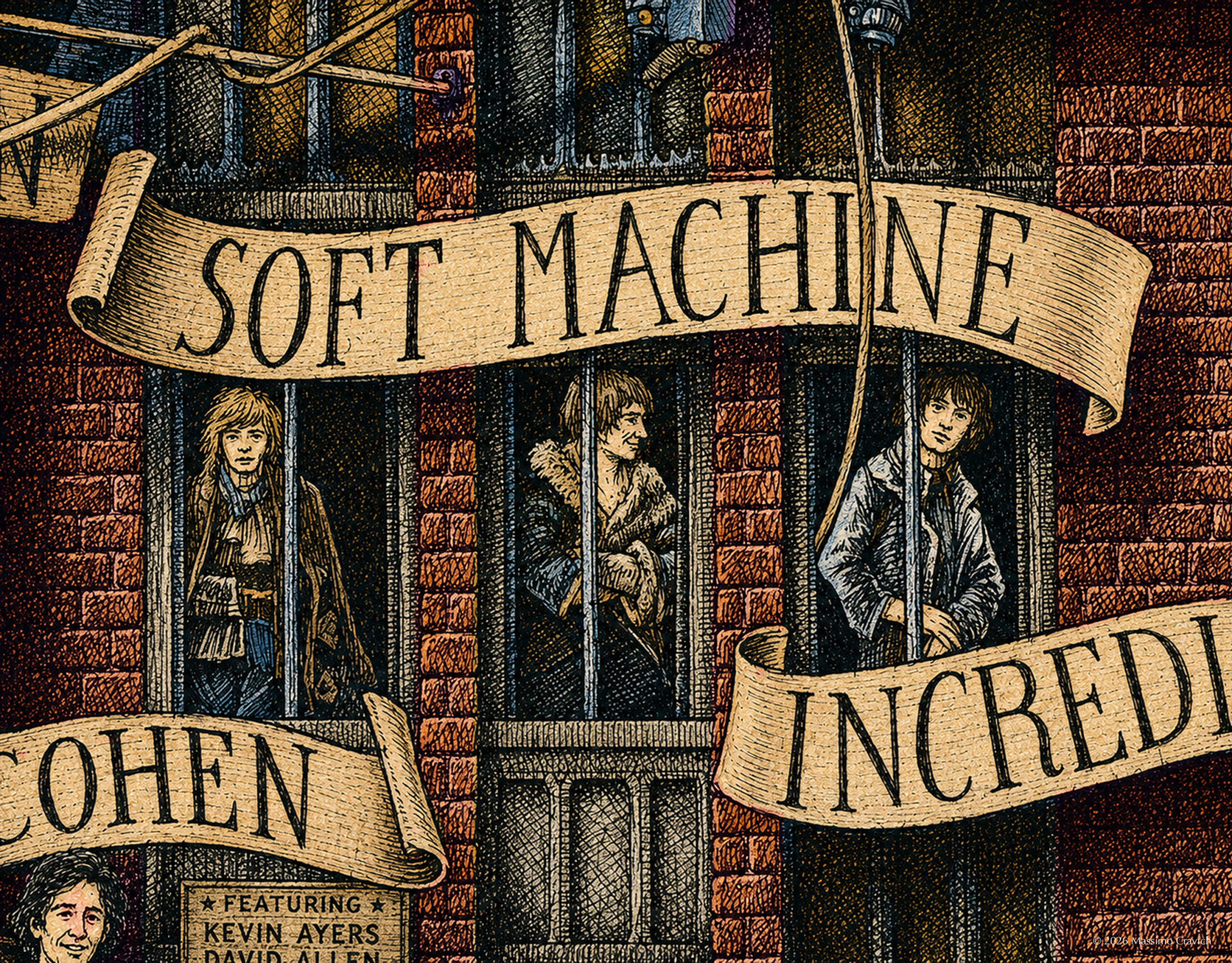
Rock Icons: Soft Machine

British experimental pioneers blending psychedelic surrealism, jazz improvisation and progressive rock
abstraction.
By combining psychedelic experimentation, jazz structures and avant-garde improvisation, Soft Machine became one of the defining foundations of progressive and experimental British music.
Founded: 1966 — Canterbury / London, England
Status: Disbanded (with reunion and subsequent incarnations)
Classic Core: Robert Wyatt, Kevin Ayers, Mike Ratledge, Hugh Hopper
Genres: Progressive Rock, Canterbury Scene, Jazz Fusion, Psychedelic Rock, Experimental Rock
ARTIST OFFICIAL SITE: softmachine.org
LISTEN
More to discover…
From psychedelic freedom to jazz rock: a band that kept changing its identity.
More than just a band, Soft Machine seemed like a permanent sound laboratory. Throughout their evolution, they moved from lysergic psychedelia, –
to Dadaist humor, – to cerebral and almost abstract jazz-rock. Behind their music, however, was also a history of incompatible personalities, fragile genius, self-destruction, creative chaos and continuous transformation.
Canterbury: friendships, humor and early fractures
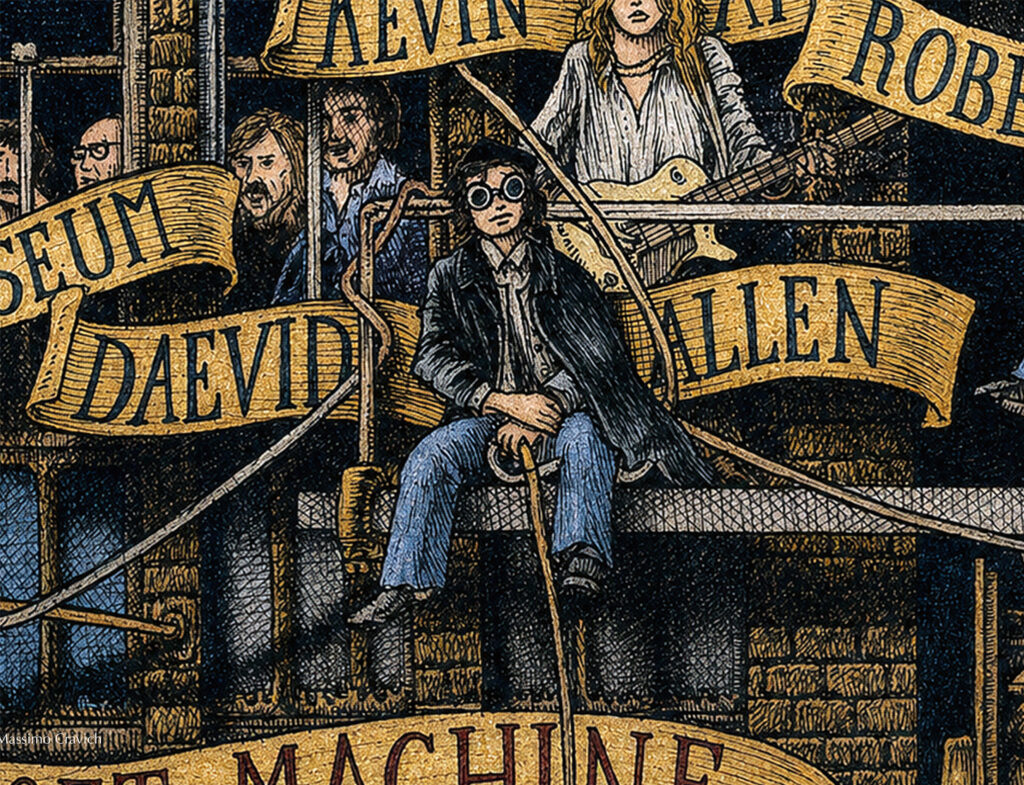
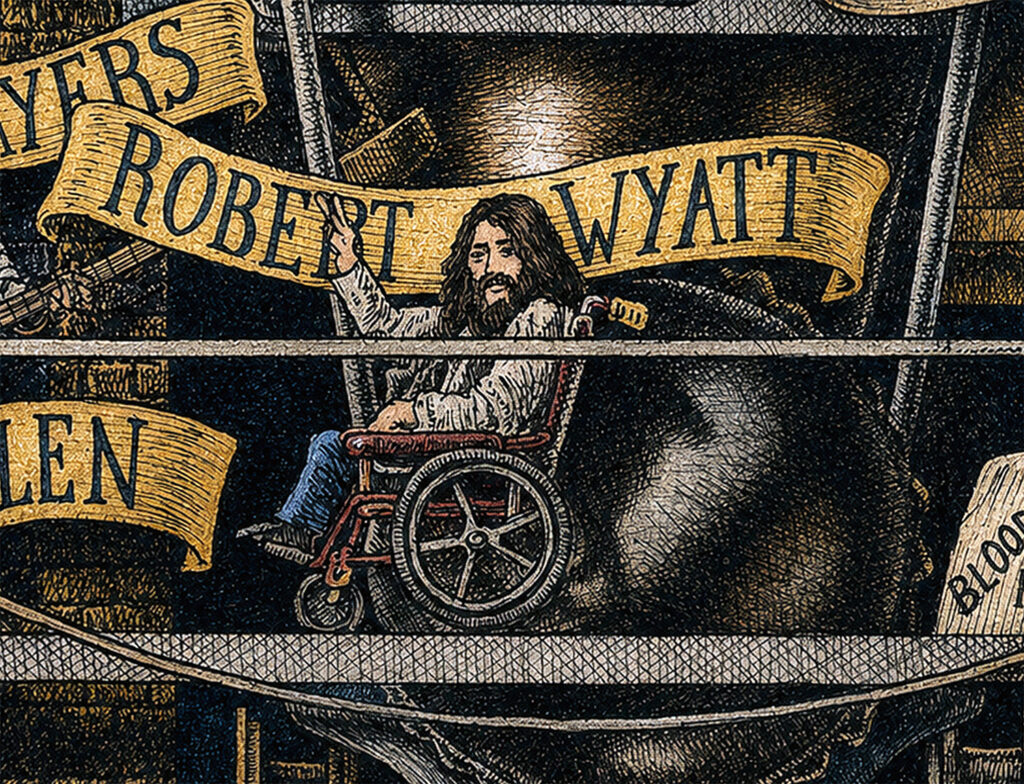
Soft Machine emerged from friendships and encounters rather than a fixed musical blueprint. Robert Wyatt brought restless drumming, a vulnerable voice and unpredictable melodic instincts; Kevin Ayers favored eccentric songs, humor and a resistance to discipline; Daevid Allen introduced experimentation and a communal outlook; Mike Ratledge contributed harmonic rigor and an interest in contemporary jazz. Psychedelic London offered an audience, but also pressures and working conditions that proved difficult for such different personalities. In 1967, Allen was refused re-entry to Britain after a trip to France; he pursued a separate path and would establish Gong.
The American road and the cost of transformation
After their debut album, American tours opening for Jimi Hendrix brought Soft Machine before huge audiences but exhausted the band. Ayers departed in 1968, with longtime associate Hugh Hopper taking over on bass. The music became denser, the compositions longer and Ratledge’s organ more forceful. Wyatt remained the human and vocal face of a group increasingly reluctant to make room for songs. Third, with its four extended pieces, documents a meeting of jazz improvisation, electric repetition and studio experimentation: not simply an abandonment of rock, but a transformation that sharpened internal differences.
When the band becomes something else
The arrival of jazz musicians, including Elton Dean, strengthened the instrumental direction. Wyatt left in 1971 amid growing artistic distance and formed Matching Mole. Soft Machine continued toward jazz rock through further lineup changes and later musicians such as Karl Jenkins. The name survived, but the people, intentions and audience changed.
In musical genealogy, the band connects psychedelia and Canterbury to jazz improvisation and fusion; in human terms, it shows how difficult a collective identity becomes when its members imagine incompatible futures.Albums such as Third, Volume Two, and Fourth became defining landmarks of experimental progressive music and British jazz-rock innovation.
From Hope for Happiness to Moon in June, Soft Machine trace a path from British psychedelic eccentricity to the open forms of experimental progressive rock and jazz rock.
Within The Great Rock and Roll History, Soft Machine illustrate a defining possibility of the late 1960s: an underground band could radically change its musical language, lose founding members and explore new territory without following rock’s commercial template.

Influenced by
- Beat Generation
- Modern jazz
- Psychedelia
- Dadaism
- Free improvisation.
Influent For
- Canterbury scene
- European jazz fusion
- Post-rock
- Avant-prog
- Experimental ambient.

Related Artists
- Robert Wyatt
- Kevin Ayers
- Caravan
- Gong
- Matching Mole
SOURCES
Soft Machine official archives
Canterbury Scene archives
AllMusic
Prog Archives
British Underground Music Archives
Soft Machine occupy a distinctive place in progressive rock and Canterbury history. The meeting of Robert Wyatt, Kevin Ayers, Daevid Allen and Mike Ratledge launched an experiment in constant transformation: first psychedelic rock, then improvisation, jazz rock and fusion. Their legacy is musical and human alike, shaped by creative freedom and the fractures that arise when a band brings together incompatible visions.