
Behind countless American hits of the 1960s, from the Beach Boys to Phil Spector productions, stood an extraordinary network of Los Angeles session players: the Wrecking Crew. They were not a band with a fixed lineup but a professional community whose speed, skill and invention helped turn pop recording into an art of sonic construction. Their story reveals the music, personalities and human cost of working behind the scenes.
This illustrated profile explores the cultural impact and the legacy within The Great Rock and Roll History, a large-scale illustrated timeline of modern music.
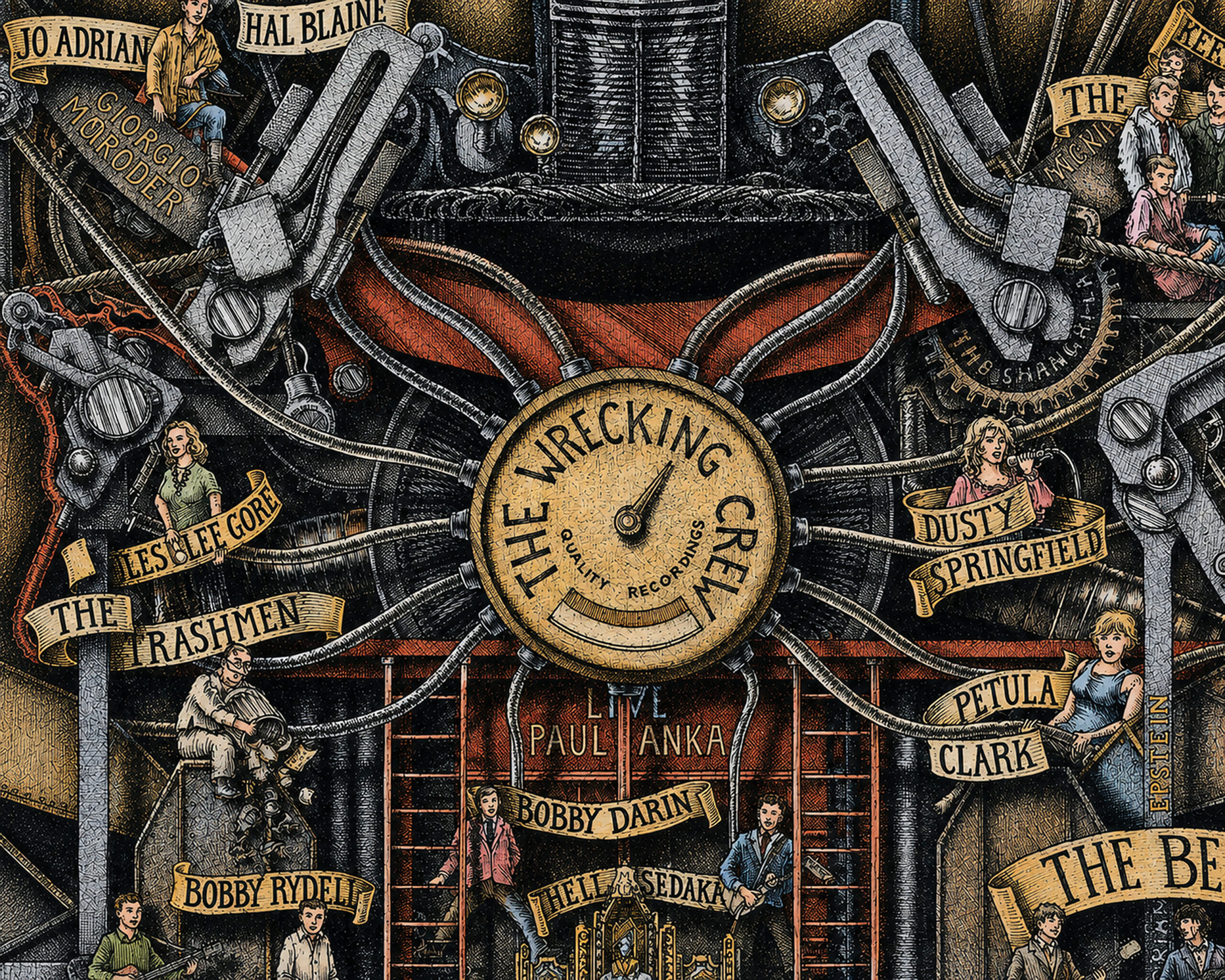
Rock Icons: The Wrecking Crew

Place and period Los Angeles recording studios, mainly the 1960s and early 1970s
Identity Informal session-musician network; “Wrecking Crew” became widespread retrospectively
Representative players Hal Blaine, Carol Kaye, Tommy Tedesco, Glen Campbell, Leon Russell, Don Randi, Larry Knechtel
Work Pop, rock, surf, soul, film and advertising
Collaborations Phil Spector, Brian Wilson, the Monkees, Nancy Sinatra and many others
A band that never existed: the record-making machine
In Los Angeles, early-1960s rock met a recording industry already skilled at producing music for radio, films and television. Producers and arrangers hired players who could read charts, switch styles in minutes and invent a memorable part without delaying a session. The network later celebrated as the Wrecking Crew had no fixed membership: personnel changed with the producer, budget and song.
Even the collective name became widely familiar mainly in retrospect. That is the central paradox: listeners knew these musicians’ sound intimately while rarely knowing their names. The system made remarkably ambitious recordings possible, but it often kept the people who built them out of public view.
Blaine, Kaye and Tedesco: personality behind precision
Drummer Hal Blaine combined immaculate timing, instantly recognizable fills and an exuberant personality. Guitarist Tommy Tedesco approached almost any style with humor and athletic discipline. Carol Kaye, a guitarist who became one of the most sought-after bassists, brought agile, incisive lines to a predominantly male profession.
Glen Campbell and Leon Russell moved through the same world before gaining visibility as artists in their own right. These were not interchangeable technicians: a bass figure, drum fill or keyboard texture could transform a song. Yet period record credits are often incomplete and some individual performance claims remain disputed. Telling their story requires distinguishing musicians’ memories from surviving session documentation.
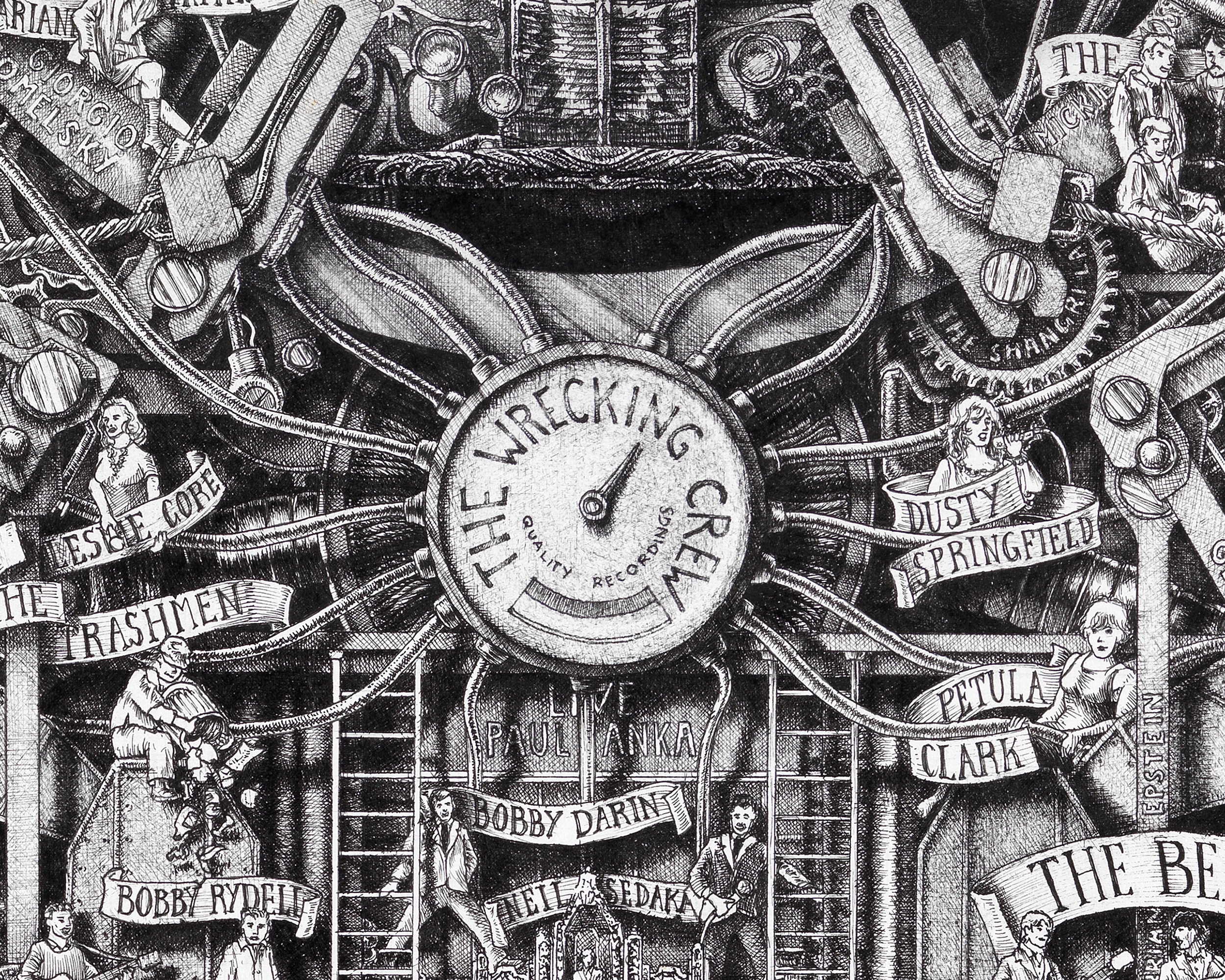
From the Wall of Sound to Pet Sounds: the studio as an instrument
Phil Spector assembled large groups and layered instrumental parts to create his Wall of Sound, with drums, pianos, guitars and percussion contributing to an almost orchestral impact. Brian Wilson took the same availability of skilled players and studios in another direction, using Los Angeles session musicians on many backing tracks for Pet Sounds and other Beach Boys recordings.
The producer could imagine the architecture, but players had to make it work, often solving problems in real time. Not every record casually credited to the Wrecking Crew featured the same musicians, nor were the named artists simply absent from their own recordings. The deeper historical change was collaborative: rock was beginning to treat studio technique, arrangement and recorded sound as essential parts of composition.
The cost of invisibility and the legacy
The work could be relentless: consecutive sessions, unpredictable hours, extreme technical demands and little chance to identify publicly with the hits being made. For some, it offered financial stability and musical freedom; for others, it meant lending creativity to an image owned by somebody else. As more bands insisted on playing their own recordings and the industry changed, this particular system gradually diminished, though session work never disappeared. The Wrecking Crew’s genealogy runs from radio orchestras and studio professionalism into orchestrated pop, songwriter-led rock and modern record production. Their legacy is not one signature sound but evidence that behind the romantic image of the rock band there was often a community of remarkable craftspeople with lives and ambitions of their own.
For all this reasons, The Wrecking Crew occupies a fundamental position within the rock and pop genealogy explored in The Great Rock and Roll History
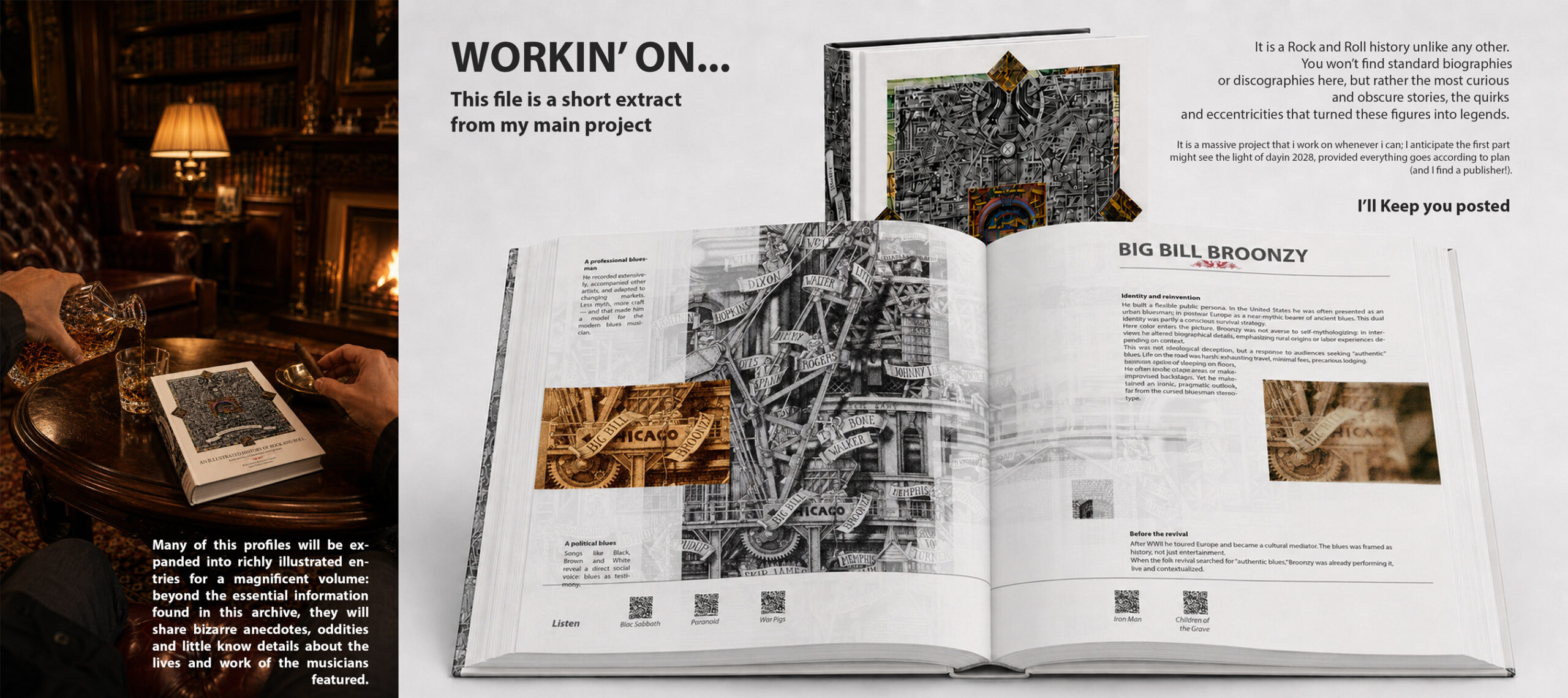
Get Your Rock Icon
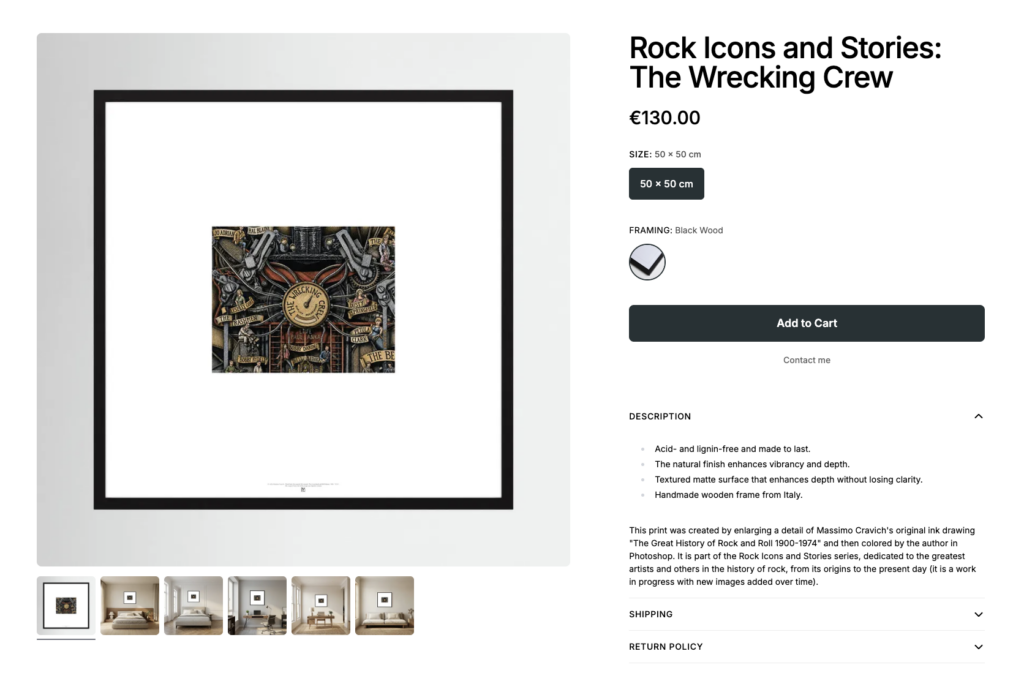
Selected artworks from Rock Icons and Stories are available as high-quality framed art prints. Printed on premium 230 gsm matte paper with excellent detail and colour reproduction, each print is professionally framed and delivered ready to hang.A carefully selected, high-quality alternative to the museum-grade Fine Art Giclée editions, offering an accessible way to own and display a reproduction of the original artwork. Printing, framing and worldwide fulfilment are handled by our specialist printing partner.
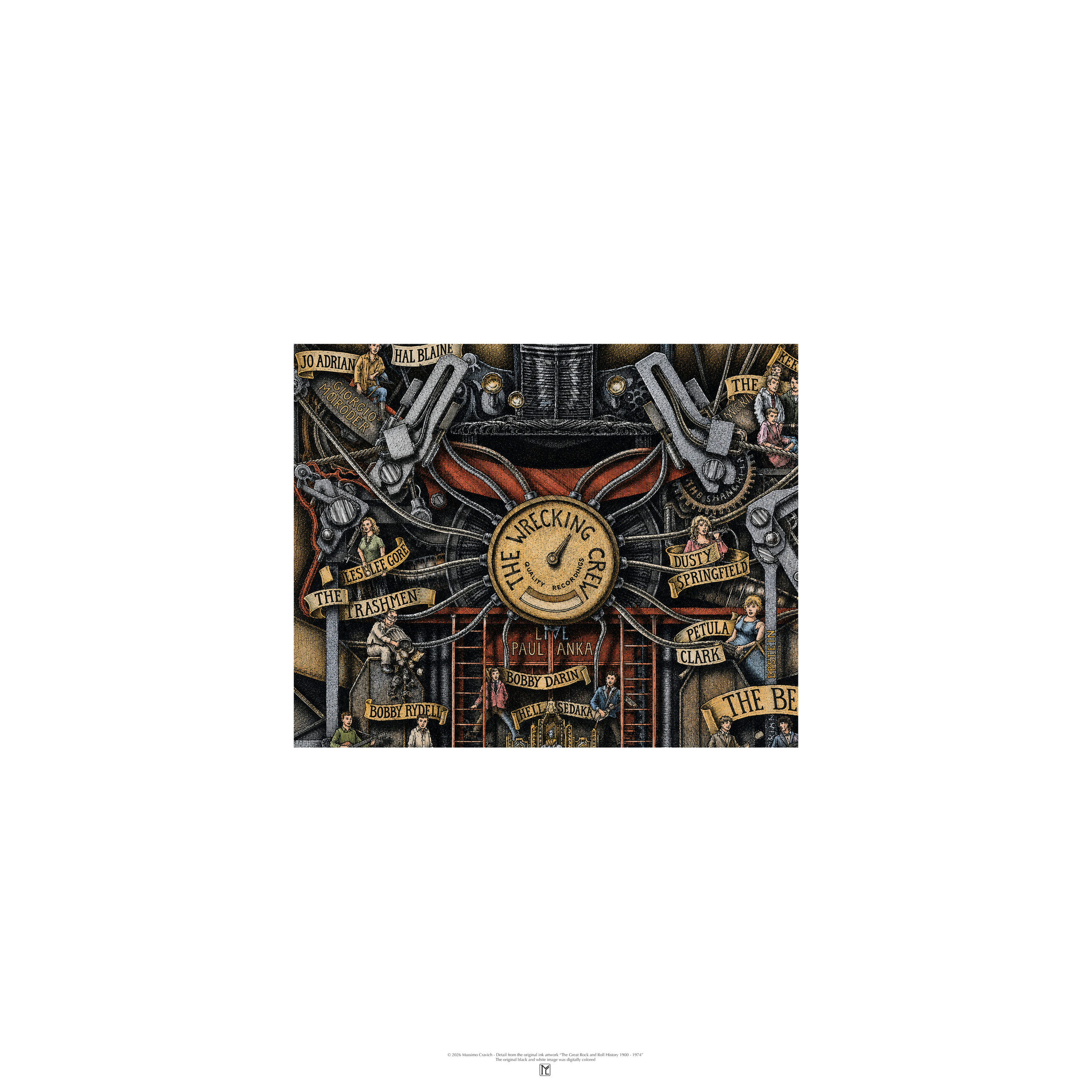
Historical note: “Wrecking Crew” is a retrospective collective label, not an official band name; individual session credits sometimes remain uncertain.