
Can were one of the most revolutionary and influential bands of European experimental rock, a group capable of combining improvisation, minimalism, psychedelia, jazz, electronics and hypnotic groove into a completely new musical language. This illustrated profile explores their music, artistic philosophy and cultural impact within The Great Rock and Roll History, a large-scale illustrated timeline of modern music.
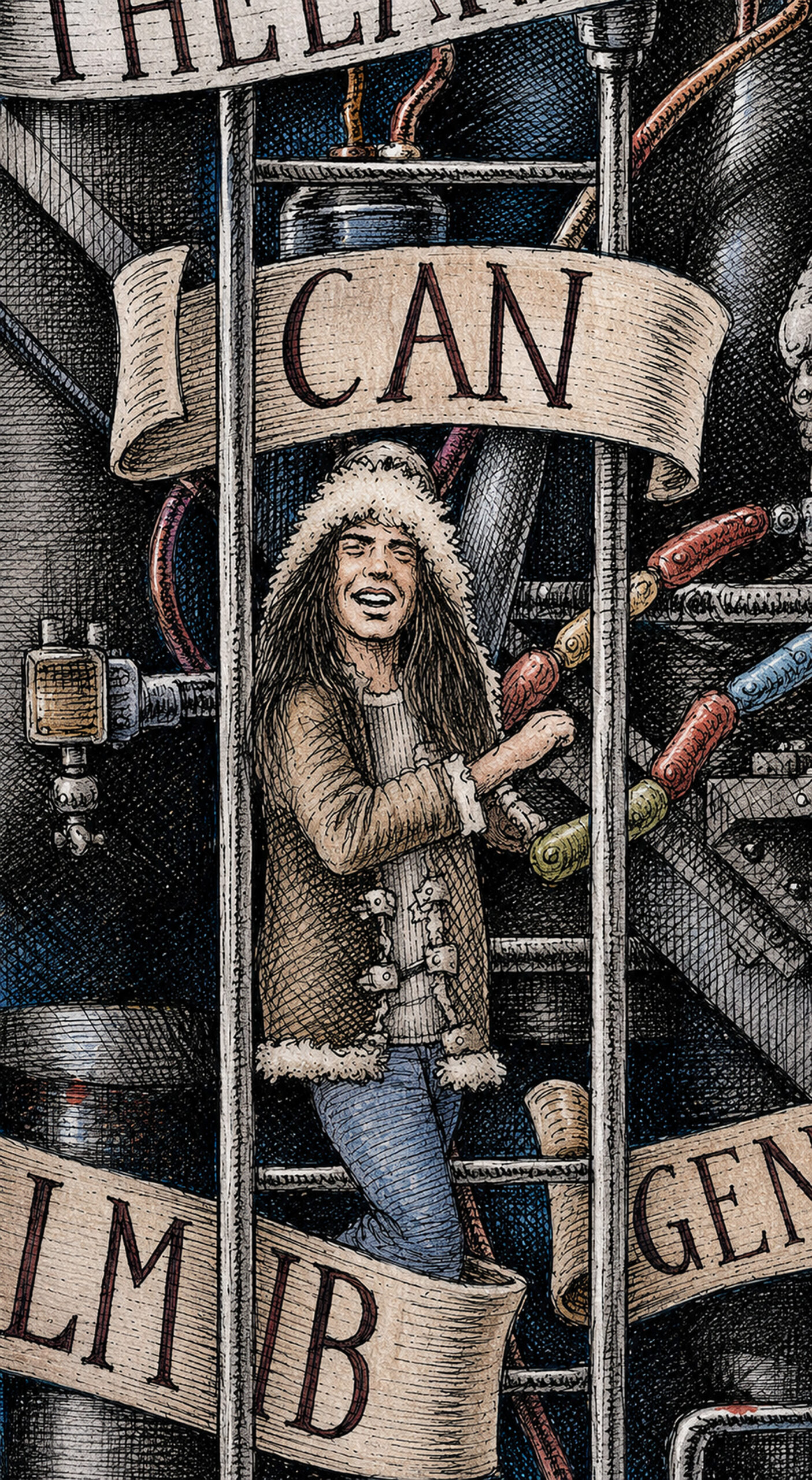
Rock Icons: Can
Legendary German band suspended between krautrock, radical improvisation and primitive electronic trance.
By combining krautrock, avant-garde jazz, electronics and hypnotic groove, Can helped redefine the language of European experimental rock during the 1970s.

Name: Can
Formed: Cologne, West Germany — 1968
Status: disbanded in 1979
Classic lineup: Holger Czukay, Irmin Schmidt, Jaki Liebezeit, Michael Karoli
Genres: krautrock, experimental rock, psychedelic rock, avant-garde
ARTIST OFFICIAL SITE: spoonrecords.com
LISTEN
More to discover…
When rock stopped being American and became European hypnosis
Can represent one of the most radical moments in European rock history. At a time when most Western bands still built music around American blues and traditional song structures, Can deliberately attempted to destroy those foundations. The group united musicians coming from avant-garde composition, jazz, contemporary music and psychedelic rock backgrounds.
The result sounded simultaneously primitive and futuristic. Many Can recordings emerged from long collective improvisations later edited and manipulated inside the studio. The final music became hypnotic flow built around repetitive grooves, fragmented vocals and rhythmic trance. More than songs, many of their recordings feel like constantly mutating sonic.
Stockhausen and avant-garde foundations
One of the most extraordinary aspects of Can was that several members came directly from European contemporary music circles. Irmin Schmidt had studied with Karlheinz Stockhausen, introducing radically different ideas into rock music. Jaki Liebezeit is often regarded as one of the greatest drummers in rock history. His style combined absolute precision, minimalism and hypnotic power.
Damo Suzuki and the voice as improvisation
The arrival of Japanese vocalist Damo Suzuki transformed the band. His improvised phonetic vocals turned the human voice into pure rhythmic and sonic material. Tago Mago remains one of the most radical albums ever released in European rock music. The record constantly dismantles and reconstructs the concept of rock itself. “Halleluhwah” is built almost entirely around repetitive groove and subtle rhythmic variation. Its hypnotic structure strongly influenced later electronic and techno music.
Holger Czukay and sonic montage
Holger Czukay became one of the earliest rock musicians to use collage-like editing techniques involving radio recordings and manipulated sound fragments. With Future Days, Can reached perhaps their most atmospheric and fluid moment. The album anticipated ambient music, post-rock and modern minimal electronics.
Can and German krautrock
Can became one of the defining groups of the so-called krautrock movement alongside Neu!, Faust and Kraftwerk. Together they helped create a distinctly German musical identity separate from Anglo-American rock traditions. Brian Eno and many British post-punk bands became deeply influenced by Can’s hypnotic structures and repetitive grooves.
Perhaps Can’s greatest revolution was rejecting traditional ideas of songwriting and frontman-centered rock. Music became collective process, transformation and endless experimentation. That is why Can still sound strangely futuristic today.
Albums such as Tago Mago, Ege Bamyasi and Future Days remain among the defining masterpieces of German krautrock.
Their music occupies a central position within the experimental genealogy explored in The Great Rock and Roll History.
Influenced by
- Karlheinz Stockhausen
- Avant-garde jazz
- Musique concrète
- Velvet Underground
- Contemporary minimalism
Influent For
- Talking Heads
- Radiohead
- Post-rock
- Experimental techno
- Alternative electronic music
Related Artists
- Neu!
- Faust
- Kraftwerk
- Talking Heads
- Brian Eno
Sources
Spoon Records archives
Krautrock historical archives
German experimental music archives
Can documentary archives
Within the broader history of European experimental rock, Can represent one of the most visionary, influential and revolutionary bands of the twentieth century. Their work permanently reshaped the relationship between improvisation, electronics, minimalism and sonic trance.